Blog Post #6
Blog
Post #6
Topic:
Summarize and reflect on what you've learned this week.
------------------------------------
As
we look towards the end of this class, it is time to take an in-depth look at
our final project: the WebQuest. WebQuests, which are described as “inquiry-oriented activities in
which some or all of the information that learners interact with comes from
resources on the internet” were invented by Bernie Dodge and Tom March back in
the mid-1990's. For our final project, we will be developing a WebQuest that we
can use in our own classroom. Google Sites, the website building tool offered
by Google, will be the accessible software used to create and share our
project.
WebQuests consist of several main
components. These components include an introduction, task, process,
evaluation, and conclusion. All of the information needed to create an
effective quest that is informative, follows an educational path, can be
assessed, and creates a connection to the subject matter in a meaningful way
can be included in this format. While WebQuests can cover many topics and
concepts, I chose to create a quest that helps illustrate the way music
influences our emotions. The students will be required to watch visual prompts
in the form of current movie clips and trailers and to write a description,
using as much descriptive imagery as possible, of how it makes them feel with
and without music and to ultimately provide their own chosen soundtrack. They
will be assessed using a teacher created rubric. Questions they should also
answer include:
1. What emotions do you feel when
listening to different music?
2. What do you associate with what
you hear?
3. Why
do you believe that is the case?
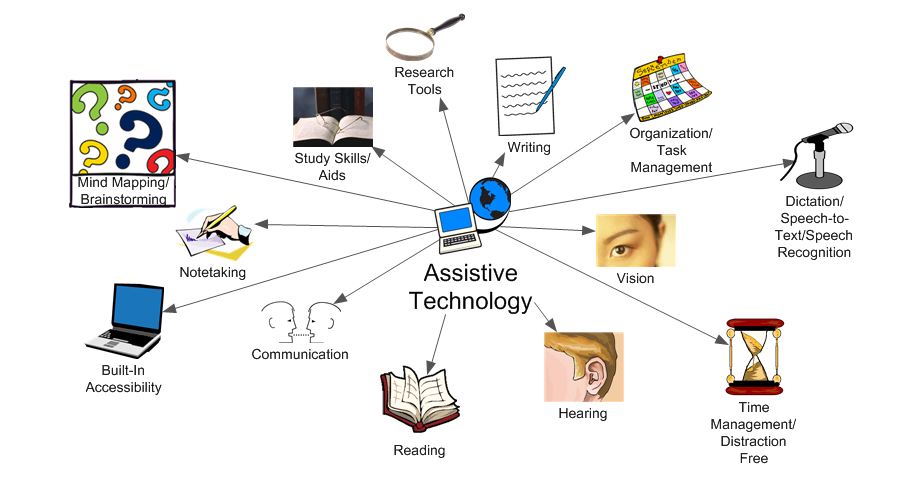
Also
this week we were tasked with identifying five concepts/topics from the chapter that we have not readily considered before. These topics ranged from assistive
learning to project based learning. I had not considered technology as a way to
enhance differentiated assistive learning for students, but it would be a great
way to reach students who have assistive needs. This use of technology to
advance student involvement and learning should be a reminder to us all that we
have great resources at our fingertips that allow us to do so much more than
could be done even a few years ago.


Comments
Post a Comment